The verse reads: “And the life of Sarah was a hundred and seven and twenty years” (23:1). The Hebrew counts it out, with the word “year” at every stage. Rashi draws a reading from it: each number stands on its own. At a hundred she was like twenty as regards sin. At twenty she was like seven in beauty. And the verse closes on “the years of the life of Sarah”: all of them, he says, equally good.
## Four hundred shekels in Hebron
Abraham has been promised the whole land, five times over in Lech Lecha. He does not own enough of it to bury his wife. “I am a stranger and a sojourner with you,” he tells the children of Heth (23:4). Ephron offers him the field and the cave: “the field give I thee” (23:11). Abraham refuses the gift: “I will give the price of the field; take it of me” (23:13). He weighs out “four hundred shekels of silver, current money with the merchant” (23:16), in the hearing of all.
The midrash remembers. Rabbi Yudan bar Simon counts three places the nations of the world cannot call stolen in Israel's hands: the Cave of Machpelah, paid for by Abraham; the site of the Temple, paid for by David; the tomb of Joseph, paid for by Jacob (Bereshit Rabbah 79:7).
Isaac needs a wife. Abraham's servant takes “ten camels” (24:10) and sets out for Aram. His test fits in one sentence, spoken to God beside the well: the girl who answers, “Drink, and I will give thy camels drink also” (24:14). Rebekah does exactly that, and fast: “she hastened, and emptied her pitcher into the trough, and ran again unto the well to draw, and drew for all his camels” (24:20).
Her family would like to keep her a few days more. They call her: “Wilt thou go with this man?” She answers in one word: “I will go” (24:58). In Hebrew, elekh. It is the verb Abraham heard two parashot earlier: lech lecha, go. He received an order. She made a choice. Rashi has her say: “of my own accord, even if you do not consent.”
They call her: “Wilt thou go with this man?” She answers in one word: “I will go” (24:58).
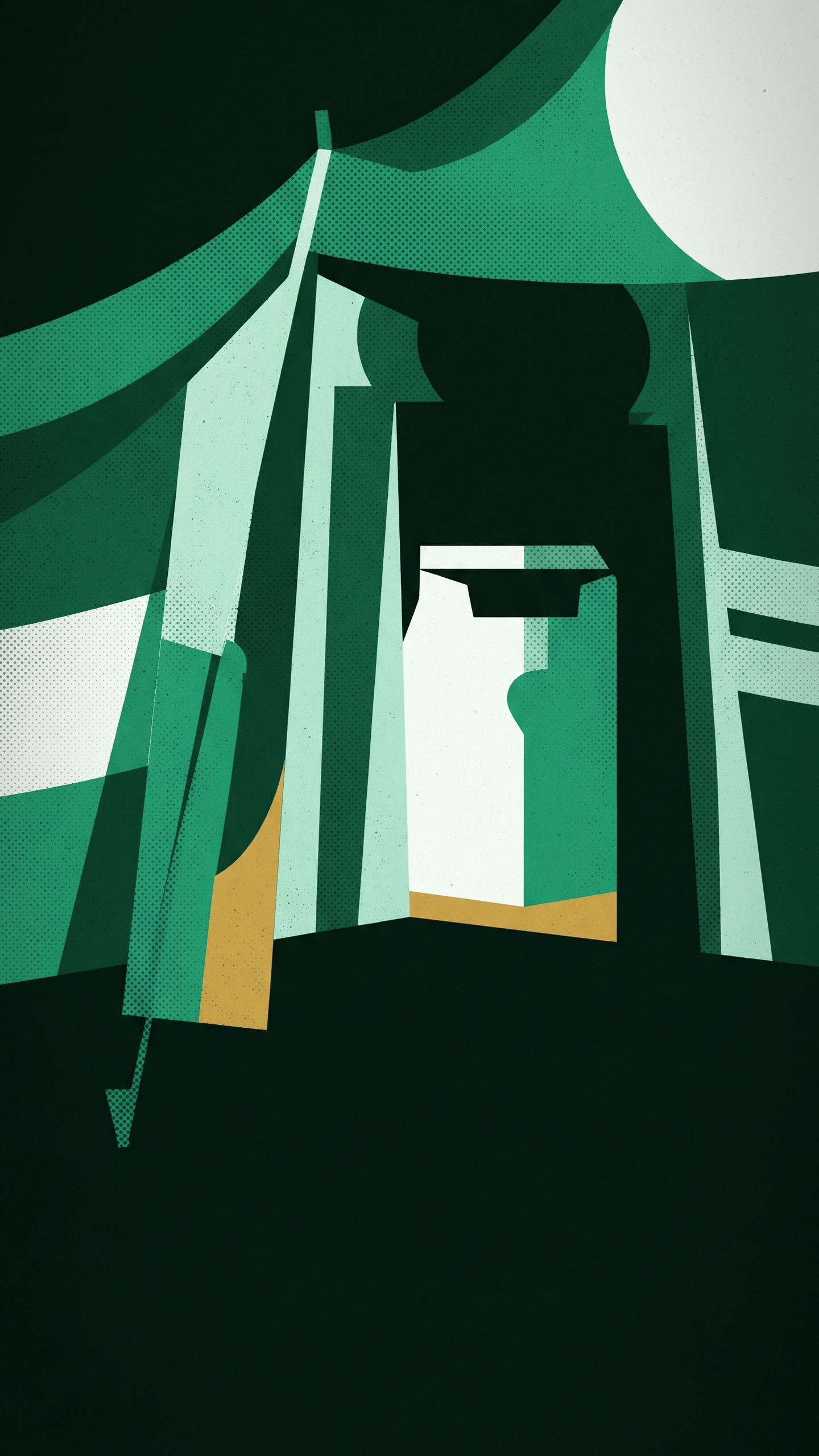
“And Isaac brought her into his mother Sarah's tent” (24:67). Rashi, following the midrash, tells what that tent had lost. While Sarah lived, a light burned from one Shabbat eve to the next, a blessing was in the dough, a cloud hung over the tent. When she died, it all stopped. When Rebekah came, it all returned.
So the parasha is not misnamed. Sarah dies in the second verse, and she still has the last word of the story: “And Isaac was comforted for his mother.” This Friday night, the light is lit once more.